
Best Laser Piles Treatment in Mumbai: What to Know Before Choosing a Clinic | DrLaser
Best Laser Piles Treatment in Mumbai: What to Know Before Choosing a Clinic | DrLaser
Introduction
Piles, medically known as haemorrhoids, are a common health condition that can cause discomfort, itching, swelling, and bleeding during bowel movements. Although many people hesitate to discuss these symptoms, timely medical attention can help prevent complications and improve quality of life.
If you are searching for the best laser piles treatment in Mumbai, understanding the available treatment options and choosing a qualified specialist are essential steps toward receiving appropriate care.
Modern medical technology has introduced minimally invasive approaches for treating selected cases of haemorrhoids. Laser treatment is one such option that may benefit suitable patients by reducing postoperative discomfort and helping them return to daily activities faster than some conventional surgical procedures.
At Dr Laser in Sion, Mumbai, patients seeking piles treatment can explore specialist evaluation and available treatment options based on their individual condition.
This guide explains how laser piles treatment works, its potential benefits, important considerations, and what patients should know before selecting a clinic in Mumbai.
What Are Piles and Why Do They Occur?
Piles are swollen vascular cushions in or around the anal canal. They can become symptomatic when these tissues enlarge, become inflamed, or prolapse.
Haemorrhoids are generally classified into two categories:
Internal Hemorrhoids
These develop inside the rectum and may cause painless bleeding, prolapse, or discomfort, particularly during bowel movements.
External Hemorrhoids
These develop beneath the skin around the anus and may cause itching, swelling, irritation, or pain. A thrombosed external haemorrhoid can become particularly painful.
Common Causes and Risk Factors
Several factors may contribute to symptomatic piles:
-
Chronic constipation and excessive straining
-
Prolonged sitting on the toilet
-
A low-fibre diet
-
Pregnancy and increased pelvic pressure
-
Obesity
-
Ageing and weakening of supporting tissues
-
Chronic diarrhea
Understanding these factors is important because treatment should address both the haemorrhoids and the underlying habits that contribute to symptoms.
Common Symptoms of Piles You Should Not Ignore
Piles symptoms can vary depending on type and severity.
Common warning signs include:
-
Bright red blood during or after bowel movements
-
Itching or irritation around the anus
-
Swelling or a lump near the anal opening
-
Pain or discomfort while sitting
-
A feeling of incomplete evacuation
-
Tissue protruding from the anus during bowel movements
Important: Rectal bleeding is not always caused by piles. Anal fissures, inflammatory conditions, polyps, and colorectal cancer can also cause bleeding. Persistent or unexplained bleeding should be assessed by a qualified healthcare professional.
What Is Laser Piles Treatment?
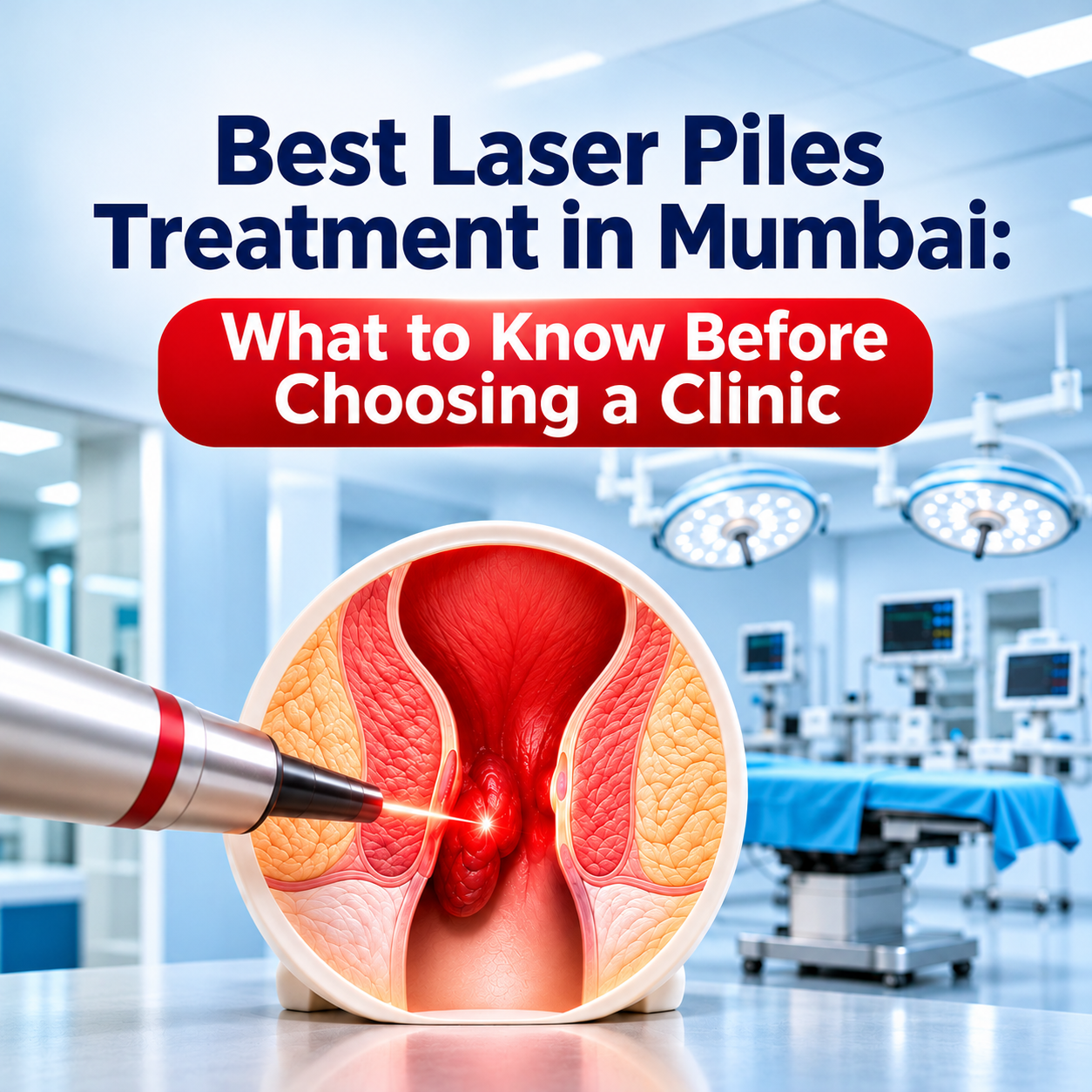
Laser piles treatment is a minimally invasive procedure that uses controlled laser energy to treat selected hemorrhoidal tissue.
Depending on the technique, laser energy may be delivered within the hemorrhoidal cushion to shrink the affected tissue and reduce its blood supply.
The procedure aims to reduce hemorrhoidal symptoms while limiting injury to surrounding tissues.
However, laser treatment is not suitable for every patient. The choice of procedure depends on factors such as:
-
The grade and size of the haemorrhoids
-
Whether the haemorrhoids are internal or external
-
The presence of significant prolapse
-
Previous treatments and recurring symptoms
-
Other medical conditions
-
The surgeon's clinical assessment
A proper examination is essential before deciding whether laser treatment, conventional surgery, or a non-surgical option is most appropriate.
Potential Benefits of Laser Piles Treatment
Laser procedures may offer certain advantages for appropriately selected patients.
1. Minimally Invasive Approach
Some laser techniques use a small entry point rather than extensive tissue excision. This may reduce disruption to surrounding tissue.
2. Less Postoperative Discomfort
Certain patients may experience less pain after laser treatment compared with traditional excisional haemorrhoid surgery. However, discomfort varies depending on the procedure and individual condition.
3. Reduced Tissue Trauma
Laser energy can be delivered precisely to targeted tissue, potentially limiting injury to nearby structures.
4. Shorter Recovery for Selected Patients
Some patients can resume light activities relatively quickly. Recovery time depends on the severity of the disease, the technique used, and the patient's overall health.
5. Day-Care Treatment Possibility
Selected procedures may be performed as day-care surgery, allowing patients to return home on the same day after medical clearance.
6. Alternative to Conventional Surgery
For some patients, laser treatment may be an option worth discussing alongside other established haemorrhoid treatments.
Remember: Laser treatment does not guarantee painless surgery, permanent results, or freedom from recurrence. Patients should discuss the benefits, limitations, and long-term outcomes with their treating surgeon.
How Is Laser Piles Treatment Performed?
The exact procedure depends on the laser technique and the patient's condition.
Step 1: Medical Consultation
The specialist reviews symptoms, medical history, previous treatments, and relevant health conditions.
Step 2: Clinical Examination
An examination of the anal and rectal region helps determine the type and severity of the haemorrhoids. Additional investigations may be recommended when clinically necessary.
Step 3: Treatment Planning
The surgeon discusses whether conservative management, an office-based procedure, laser treatment, or conventional surgery would be most suitable.
Step 4: Laser Procedure
When laser treatment is appropriate, the procedure is performed using a suitable form of anaesthesia. Laser energy is applied to the targeted hemorrhoidal tissue according to the chosen technique.
Step 5: Postoperative Observation
Patients are monitored for pain, bleeding, and recovery from anaesthesia. Some may be discharged the same day.
Step 6: Recovery and Follow-Up
Patients receive instructions regarding diet, medication, bowel habits, hygiene, activity, and follow-up appointments.
Laser Piles Treatment vs Conventional Piles Surgery
Patients often wonder whether laser treatment is better than traditional surgery.
The answer depends on the individual case.
| Factor | Treatment Conventionalh treatment is better? |
|---|
There is no single treatment that is best for every patient. Conventional hemorrhoidectomy may provide more durable results for certain advanced haemorrhoids, while less invasive procedures may offer recovery advantages in selected cases.
A qualified specialist should explain the expected outcomes and recurrence risks of each option.
7 Important Things to Check Before Choosing a Laser Piles Clinic in Mumbai
Choosing a clinic involves more than comparing advertisements or treatment prices.
1. Qualifications and Experience of the Surgeon
Check whether the doctor has appropriate surgical qualifications and relevant experience in treating anorectal conditions.
2. Proper Diagnosis Before Treatment
A reliable clinic should recommend treatment only after assessing the actual cause and severity of your symptoms.
3. Availability of Different Treatment Options
A clinic should be able to explain suitable alternatives rather than recommending laser surgery for every patient.
4. Clear Explanation of Benefits and Risks
Ask about possible pain, bleeding, infection, recurrence, and the likelihood of needing additional treatment.
5. Appropriate Surgical Facilities
Understand where the procedure will be performed, what anaesthesia will be used, and how complications would be managed.
6. Transparent Treatment Costs
Request a written estimate that explains consultation charges, investigations, procedure fees, anaesthesia, medicines, and follow-up costs.
7. Post-Treatment Support
Follow-up care is important for monitoring healing, managing discomfort, and reducing the likelihood of recurrent symptoms.
Why Consider Dr Laser in Sion, Mumbai?
For patients exploring laser piles treatment in Sion, Mumbai, Dr Laser is a local option to consider for consultation and evaluation of anorectal symptoms.
Patients should discuss their condition, available treatment approaches, expected recovery, and follow-up requirements before proceeding with any procedure.
Important Questions to Ask During Your Consultation
-
What grade of piles do I have?
-
Is laser treatment suitable for my condition?
-
Can my symptoms improve without surgery?
-
What alternatives are available?
-
What are the potential risks and recurrence rates?
-
How much recovery time should I expect?
-
What is the complete estimated treatment cost?
An informed treatment decision begins with an accurate diagnosis and a clear understanding of the available options.
Recovery After Laser Piles Treatment
Recovery differs from patient to patient. Some individuals may return to routine activities within a few days, while others require additional time.
Following the treating doctor's advice is essential.
Helpful Recovery Practices
Eat Fiber-Rich Foods
Include vegetables, fruits, whole grains, and other fibre-rich foods to support regular bowel movements.
Maintain Adequate Hydration
Drink sufficient fluids unless your doctor has advised fluid restrictions.
Avoid Excessive Straining
Do not force bowel movements or spend unnecessary time sitting on the toilet.
Follow Medication Instructions
Use prescribed medicines, stool softeners, and pain relief exactly as directed.
Maintain Gentle Hygiene
Keep the anal area clean and follow the surgeon's instructions regarding washing and wound care.
Attend Follow-Up Appointments
Follow-up visits help the doctor assess recovery and address any ongoing symptoms.
Seek urgent medical attention for heavy bleeding, severe or worsening pain, fever, inability to urinate, or other concerning symptoms after a procedure.
Can Piles Return After Laser Treatment?
Yes. Haemorrhoids can recur after laser treatment or other procedures.
Recurrence depends on several factors, including the initial severity of the disease, the treatment technique, and ongoing bowel habits.
To help reduce future symptoms:
-
Maintain a fibre-rich diet.
-
Avoid repeated straining
-
Manage constipation promptly
-
Stay physically active
-
Avoid prolonged toilet sitting.
-
Follow your doctor's recommendations.
No haemorrhoid procedure can guarantee that piles will never return.
When Should You Consult a Piles Specialist in Mumbai?
Consider scheduling a medical consultation if you experience recurring rectal bleeding, persistent itching, prolapse, swelling, or discomfort during bowel movements.
Early evaluation can help distinguish piles from other anorectal or gastrointestinal conditions and identify the most appropriate treatment.
Heavy bleeding, dizziness, fainting, or severe pain requires urgent medical attention.
Frequently Asked Questions (FAQs)
1. Is laser piles treatment completely painless?
No. Although some laser techniques may cause less postoperative discomfort than conventional surgery, patients can still experience pain, swelling, or irritation during recovery.
2. Is laser piles treatment safe?
Laser treatment can be an appropriate option for selected patients when performed by a suitably qualified surgeon. Like any medical procedure, it carries potential risks and complications.
3. How long does laser piles treatment take?
Procedure duration varies according to the technique, number and severity of haemorrhoids, and whether additional treatment is required. Your surgeon can provide a case-specific estimate.
4. Can I go home on the same day?
Some laser haemorrhoid procedures are performed as day-care treatments. Same-day discharge depends on the procedure, anaesthesia, medical condition, and postoperative assessment.
5. What is the cost of laser piles treatment in Mumbai?
Costs vary depending on the clinic or hospital, surgeon, disease severity, anaesthesia, investigations, and treatment requirements. Request a detailed estimate after consultation.
6. Is laser treatment suitable for Grade 4 piles?
Not necessarily. Advanced Grade 4 haemorrhoids may require conventional surgical treatment, depending on their anatomy and severity. A specialist assessment is necessary.
7. Can piles be treated without surgery?
Yes. Mild symptoms may improve with dietary changes, fibre supplementation, better bowel habits, and medications. Some patients benefit from office-based treatments such as rubber band ligation.
8. Where can I seek consultation for piles treatment in Sion, Mumbai?
Patients in Sion and surrounding Mumbai areas can contact Dr Laser to enquire about consultation availability and evaluation for piles and related anorectal conditions.
Conclusion
Finding the best laser piles treatment in Mumbai involves choosing a qualified specialist, understanding your diagnosis, and comparing the available treatment options.
Laser procedures may provide advantages for selected patients, but they are not universally superior to conventional surgery or non-surgical care.
If you are experiencing symptoms of piles, timely evaluation can help you understand the cause of your discomfort and make an informed decision about treatment.